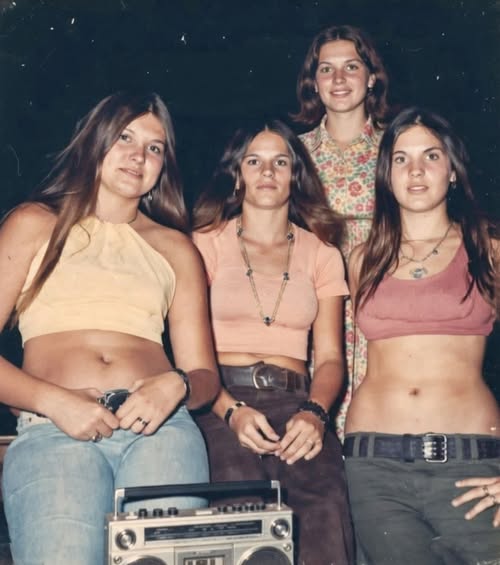
If you were to step out onto a city street in 1915, you would find yourself in a world of rigid structures and heavy fabrics. Fast forward to today, and the landscape of style is unrecognizable. Over the last century, fashion has shifted from a tool of social signaling and restriction to a medium of radical self-expression and comfort.
1915–1930: The Breaking of the Corset
In 1915, women were still largely defined by the “S-bend” silhouette, achieved through restrictive corsetry that pushed the chest forward and the hips back. Hemlines were floor-length, and dressing was a labor-intensive process involving multiple layers.
However, the onset of World War I acted as a massive catalyst for change. As women entered the workforce, they needed practical clothing.
The 1920s Transition: The “Flapper” era saw the most dramatic shift in history. The waistline dropped to the hips, corsets were discarded for brassieres that flattened the bust, and hemlines rose to the knee for the first time.
The Silhouette: Fashion moved from the “hourglass” to the “tubular” look, prioritizing movement and a boyish charm.
1930–1950: Glamour Meets Utility
The 1930s brought back a touch of femininity with bias-cut gowns that hugged the natural curves, but the 1940s were defined by austerity. Due to fabric rationing during World War II, skirts became shorter and slimmer, and shoulders became padded and “masculine.”